After signing up to be a member of the RSPB, I decided to go to one of their well known reserves that I hadn't been to yet, Minsmere. I wanted to spend most of the day there, so I set off at 5am because it takes a hour and 10 from mine.
I decided to spend the whole day in one hide, as I am yet to do this. This meant that I didn't see much of the reserve but allowed me to document and record the same area all day. It ended up being a 10 hour shoot with no breaks and in 1 hide. This was a test of my patience as there were long periods with no activity.
View from the hide, 2 deer in the water and 1 on the path.
The key species I wanted to photograph were Bittern and Otters but both are elusive species.
I didn't see any otters but did end up seeing 4 bitterns. 2 flew straight past the hide and another one walked down a path next to the hide for about a minute, but was quiet a distance away from me. It wasn't until 3:30pm, 9 hours into my shoot that one flew into the reed beds but the lighting wasn't great for photography.
Other species I photographed and documented were:
4 Bitterns, 4 Marsh Harriers collecting reeds for nest material, 4 Red Deer, 2 Water Rail, 2 Cetti's Warblers, a Kingfisher, 2 Monkjack's, Mating Greylag Geese, Mating Coots, Reed Bunting, Squirrel and the rare Blue Tit.
So it wasn't a bad day really and I met some nice people as well. One being Norman Tottle who gave me a few locations and local knowledge around the area, which was good.
Here are a few of the images from the day.
Bittern flying over the water.
Water Rail flying into the reeds.
Marsh Harrier collecting reeds for its nest.
Red deer in the reeds.
Bittern flying over the reeds.
Cetti's Warbler displaying for mate.
Cetti's Warbler hiding in the reeds.
Bittern wading through the water.
Marsh Harrier soaring.
Red deer.
Red deer in the water.
Red Deer grazing.
During the day, 4 Red deer came into the water to cool down. It was a great experience even though it annoyed some twitchers who stormed off in angry. They then came and slept in front of the hide for the next hour. They were too close to photograph 90% of the time, but great to watch.
Tips:
Patience pays off.
Wear suncream in hides (My hands got burnt)
Speak to people and you will pick up local knowledge and tips.
After returning home from Cornwall, I decided to go on a shoot in North Norfolk as the weather was great. I wanted to find Black Throated Divers and Black Necked Grebes, so I did a little research on recent sightings and came to the conclusion that I should head to Snettisham and Titchwell, which are both RSPB Reserves. They had both had sightings in the past few weeks, so it was a long shot but was better then nothing.
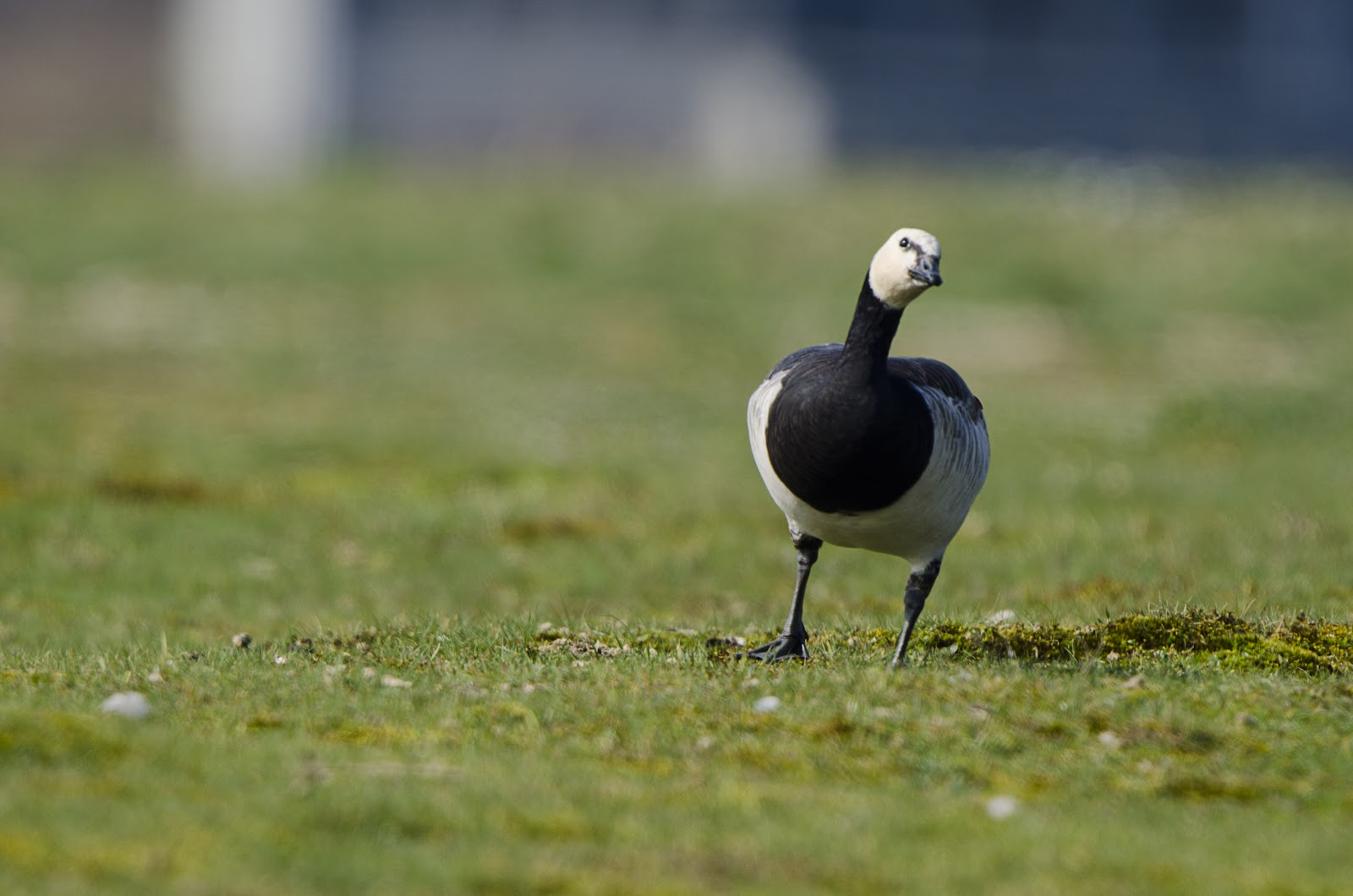
I ended up not finding either of the birds I wanted to, which is normally the case with wildlife photography, but still had a great day and photographed a number of different species. Key Species: Great Egret, Avocets, Skylark, Bar-Tailed Godwits, Shovelers, Barnacle Geese, Goldeneyes and a Common Lizard
Here are a few shots from today:
Barnacle Goose
Avocets Mating
Avocet Feeding
Skylark
Flock of around 1000 geese
Bar-Tailed Godwit wading
Shoveler Preening
Shovelers
Tips:
Research locations to have more luck finding specific species (even though I didn't find them on this occasion)
Make the most of locations and photograph all of the species
Patience in the hides pay off for behaviour shots ie. Avocets mating
For my final year project at Falmouth University, I am looking at the Carrick Roads, which is a flooded valley on the south coast of Cornwall. Last week I decided to create a floating hide, which enables me to photograph the species at water level.
I wasn't sure if the floating hide was actually going to float, let alone how close I was going to be able to get to the species. So I decided to give it a test run on a Little Grebe. They are known to be fairly skittish, so it was an ideal bird to try it out on.
Little Grebe.
Little Grebe Portrait.
As you can see, the hide has worked really well and got me much closer to the subject and allowed a very low angle which has created a very shallow depth of field.
After this success I was eager to try it out again but the weather had been too windy until today. So today I went to a familiar part of the Carrick Roads allowing me to give the hide a proper try out. My first sighting was of a Cormorant drying off on a buoy. I ended up hovering around the cormorant for about 10 minutes getting so close that my lens couldn't focus at times. As this was a test run I wanted to get close up profile shots of species. Here are a few of the Cormorant.
Cormorant drying off.
Full frame of a cormorants head.
After about 10 minutes a local fishing boat came up behind me, with some very confused people on board. I heard them approaching and questioning what on earth the contraption in front of them was. They thought I was some type of rubbish that had been thrown over board from a boat until they got within 5m of me and realised that I was a person dressed in camouflage inside a floating hide. They were still very confused.
Anyway I carried on with my shoot but sadly the boat had scared off the Cormorant.
I moved on looking for the next subject to photograph but was
struggling to find anything, until I saw a flash of blue in the distance
on the other side. I quickly paddled across and sure enough it was a Kingfisher. These birds too are very skittish when it comes to people, so it was a real test of how well my hide would disguise me . To my amazement I got closer then I have ever been to one of these stunning birds. All of the images shownhere are full frame.
Kingfisher sitting on it's perch.
Kingfisher sitting on a pile of seaweed fishing.
Me testing out how close I could get to it.
I followed the Kingfisher around for about 30 minutes, until it suddenly dived about a metre in front of me, caught a fish but then was immediately chased off by another Kingfisher that appeared out of nowhere. Fantastic to witness.
For a while now I have been looking out for Waxwings (Bombycilla garrulus) around Norfolk, with no success. But last night, I found a location via Twitter and decided to see if they were still there today. I was surprised when I found out that the sighting was in the middle of a suburb of Norwich called Costessey in a small park.
I arrived about 9am with my mum as she was interested in seeing them as well and to my amazement, I found around 25 of them straight away in a single tree. I
was buzzing with excitement. This was my first ever sighting of Waxwings and
they didn't disappoint. You can easily identify them, by their crest on
the head. I was also surprised at how tame they were, rarely did they fly off even when I got within five metres.
Waxwing's crest.
The majority of the time they rested in the tree together, preening and sleeping. Every five minutes or so, one would move closer to the neighbouring berry-laden tree to have a look. After inspecting the tree, it would quickly fly onto it, followed immediately by the rest of the flock.
Resting in the tree together.
A lone Waxwing inspecting the berry tree.
This scene was repeated every ten minutes or so, the birds only staying on the berry tree for around a minute or so at a time. This was plenty of time to get most of the shots I wanted.
Waxwing eating a berry.
Inspecting the berries.
Perched on the berries.
They stayed in the same place for about an hour before all flying off for a post-breakfast rest. I have been told that they have been here for the past week and have already stripped three trees of berries, with help from the blackbirds, of course. There are now only two trees with berries on and I cannot see them lasting too long, so get down there as soon as possible if you want to see them yourself. I returned later on and they had returned, but this time I only saw them for ten minutes before they all flew off. I did, however, get a few more shots of them.
Posing with its berry.
About to fly back to the tree with its food.
Catching the falling berry.
Watching the berry tree.
Tips
Use Twitter, it's a great place to get information on locations.
Arrive early in the morning, it is usually better light and you are more likely to find them.
Research the call of the bird you are looking for. You are more likely to hear a Waxwing before you see it.
Camera: Nikon D7000
Lenses: 300mm, 300mm with a 2X convertor
www.wildlife-photos.co.uk
Cheers for reading and I hope you have enjoyed seeing these as much as I did today. Heading back to Cornwall on Sunday, so I might have to go visit the Waxwings again tomorrow!!
Feel free to follow me on my blog and on Twitter: Josh_Jaggard
Last week I spent a few hours on the Norfolk coast with a large number of grey seals and their pups. I was surprised at the amount of people on the beach considering it was pupping season for the seals. The beach is normal pretty empty, but today there must have been over 100 people, mainly to see the seals.
It was an interesting experience and it was good to see how much respect most people had for the seals by keeping their distance, even though several of the seal pups were very intrigued and came right up to meet their visitors at some points. I started off by getting the normal shots of seals laying around like the two below:
Seal Watching Me
Sand blowing in front of the seal
Spending a while looking at the seals, I was able to witness their behaviour, something I had never done before. The bull was parading around with his mouth open. I decided to wait around and watch him. After about five minutes he went close to a female and its pup, causing a fight to break out between the female and the bull. Neither were hurt but the female scared off the bull with a number of scratches and bites. The bull is much heavier and more aggressive than its female counterparts, but this ably demonstrates how the females would risk everything to protect their young.
Female warning off the male with a few bites.
Next I decided to try and get some behavioural shots of the seals, so I walked further along the beach by passing around 20 seals until I came across this large pup who was playing with its flipper.
Nibbling on its flipper
Hiding under its flipper
Below are a few more photos from the shoot. I have tried experimenting a little with these photos and I feel they have worked quite well in obtaining less obvious angles and characteristics of these intriguing creatures.
Mother seal watching me behind its pup.
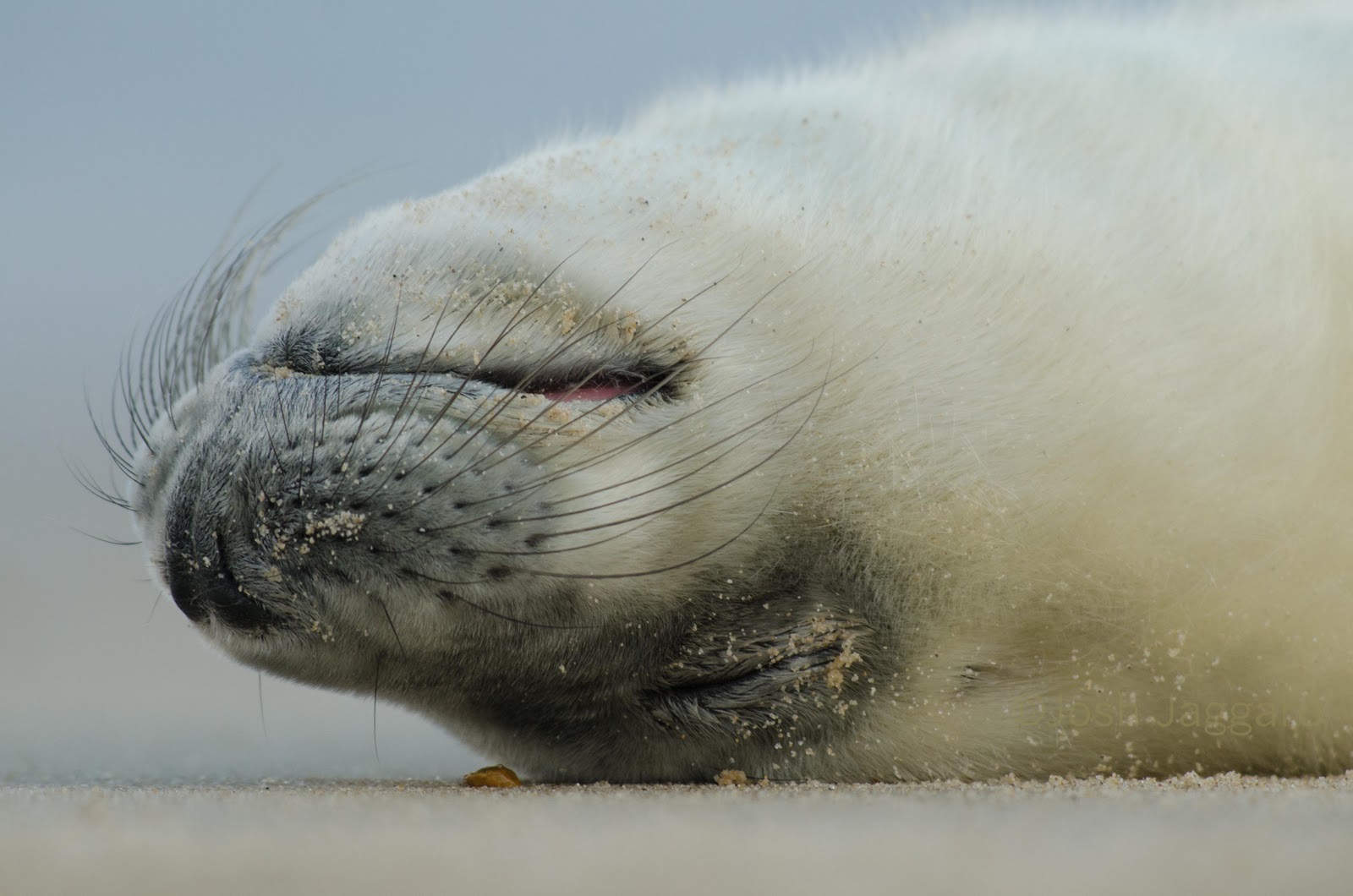
Upside down pup, sleeping.
Pup peeping out behind some wood.
Whilst photographing the seals, I also came across a dead gull, which I decided to photograph with a view to capturing a dark, moody feel within the image in keeping with the subject matter.
Dead gull on the beach.
I didn't only see a dead gull that afternoon, but a live one eating a large, decaying fish on the beach. I quickly decided to make the most of this opportunity and set up my camera with a remote trigger shown below in the video. It took seven attempts in the end to get the sort of shots I wanted.
This is one of the shots taken via remote trigger;
Gull eating its lunch
Tips
Be patient and keep trying to obtain the shot you wanted (took me 7 attempts)
Look for behaviour or anything unusual and stay with the subject
Do the basics first, then try out different shots
Don't get too close or disturb the wildlife. It is not worth it!!
Camera: Nikon D90 and Nikon D7000
Lenses: 300mm with a 2X convertor and Fish eye
Accessories: Gorilla pod, Remote trigger
www.wildlife-photos.co.uk
Cheers for reading, I am heading back to Cornwall again now to carry on with my River Fal project. So stay tuned for more!!
Feel free to follow me on my blog and on Twitter: @Josh_Jaggard
Last weekend I spent a day at Cley Marshes which is located on the North Norfolk coast. The area consists of a number of different habitats including pools, reed beds, beaches and grazing fields. This makes an ideal place to find a variety of different bird species.
It is a great location for twitchers with a variety of unusual birds stopping off for a rest during their winter migration. Such reserves are not always best for photographers as they are normally focused towards twitchers, which can be very frustrating when you can see the species, but can't get close enough to get a decent photograph. This isn't the case here, the hides get you close to the wildlife and there are areas where you can wander around and get closer to the wildlife which I prefer.
Here are a few images from the day that were taken whilst walking around the reserve.
Marsh Harrier (Circus aeruginosus) hunting over the reeds
Mute Swan (Cygnus olor) drying its wings
Lapwing (Vanellus vanellus) foraging for food.
I prefer the free-roaming approach rather than being confined to the hides, because it allows you to get different angles and compose your photos better, so I spent the majority of the time doing this. But I did get a few shots from the hides, which are below:
Black-Tailed Godwit (Limosa limosa) landing
Lapwing (Vanellus vanellus) on the grazing field
It was a fairly dull day and the images are not as vibrant and as colourful as I would have liked, but nonetheless it was a good experience and I managed to get a few decent shots out of it. However, for the first time ever, I forgot to check my shooting format and later realised I had been shooting on JPEG for the majority of the shoot which is extremely annoying but has taught me a lesson for the future. SO ALWAYS DO YOUR CAMERA CHECKS!!!!
How Hill
The next day I had a short visit to How Hill which is part of the Norfolk Broads. There wasn't a great deal of wildlife around but I did get to see a barn owl in the early morning which was a memorable experience even though I couldn't manage to get close enough for a decent shot. Having said this there were a few shots I took that morning of other birds which have turned out OK.
Cormorant (Phalacrocorax carbo) taking off
Whooper Swans (Cygnus cygnus) with their cygnets
Tips:
Check your camera setting before every shoot!!
Research the reserves you will be visiting before the shoot day to establish whether they are created primarily for twitchers, or for photographers as well
Research recent sightings, so you can look out for the rarer species
Hope you all have a great Christmas and hopefully we will get a bit of snow soon, so I can create a more wintery post next time.
Camera used: Nikon D90
Lens used: 300mm F2.8 with a X2 Converter